Life Transitions Counseling
In Denver and Throughout Colorado
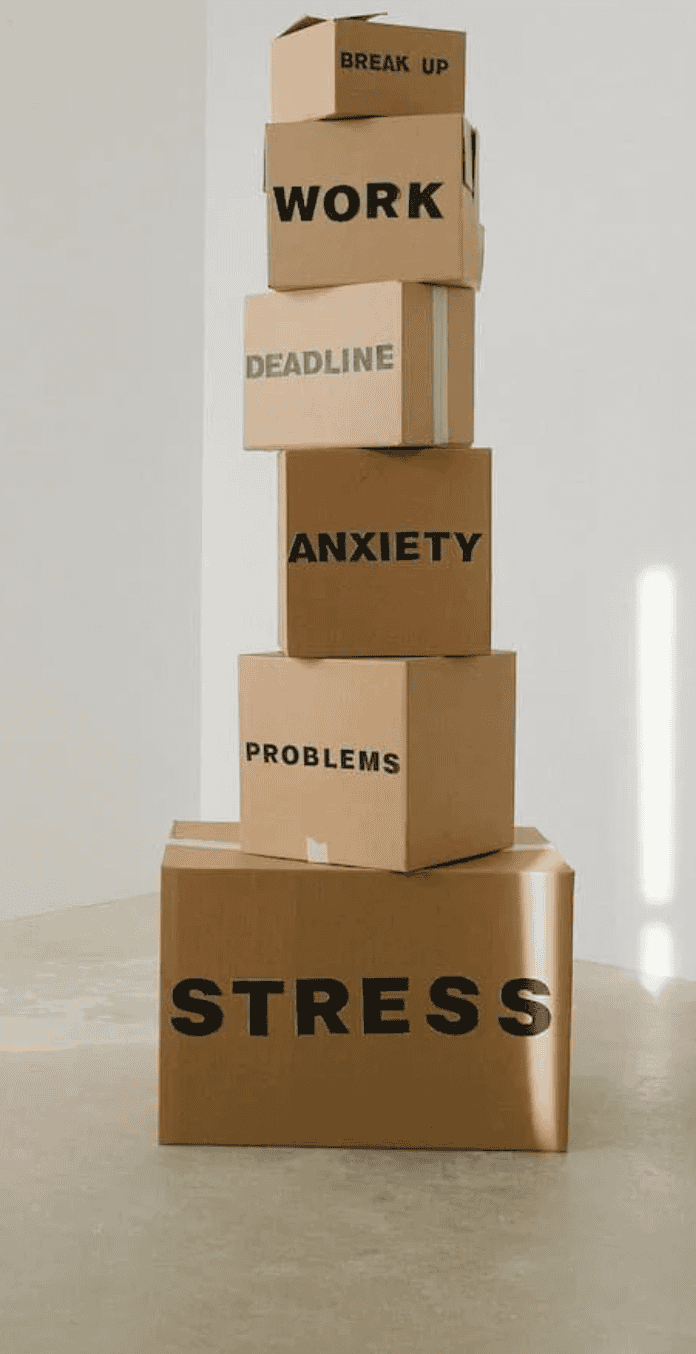 Life Can Be Messy and Hard
Life is full of transitions, both planned and unexpected.
Maybe you’re starting a new job, ending a relationship, becoming a parent, or watching your kids leave home. Perhaps you’re moving to a new city, adopting a child, retiring, or facing a health diagnosis.
You could be a student who just graduated, unsure of what to do next and scared of what tomorrow holds. Maybe you’ve lost your job.
No matter what your transition looks like, these moments can feel overwhelming, disorienting, and emotionally heavy. It’s not uncommon to feel anxious, stuck, or unsure of how to move forward.
Recognizing that you don’t have to navigate this alone is an important first step. When life feels chaotic or unstable, support can make a meaningful difference.
Life transitions counseling offers a space to process what you’re going through, gain clarity, and build tools to manage stress and uncertainty.
Have any questions? Send us a message!
 Navigating the Weight of Major Life Transitions – A Human Experience
Major life shifts have a way of quietly dismantling the communication tools we usually rely on. When your sense of purpose feels like it has been thrown off balance, it is common to find yourself questioning your direction. This experience is a shared human reality; transitions are inherently disruptive, and struggling to remain present at work or maintain boundaries in relationships is a natural response to that turbulence.
The physical and mental toll of these periods is significant and real. It is not unusual to experience high blood pressure, GI issues, persistent headaches, or a sense of physical shakiness. Mentally, this often manifests as racing thoughts or a dip in self-esteem. These aren’t personal failings—they are physiological and emotional signals that your system is working overtime to process change.
The feeling of isolation often stems from a lack of a resonant support system. When friends or family don’t quite “get it,” or when the curated lives on social media make you feel judged for your own struggle, the distress can intensify.
Life transitions counseling offers a space to recalibrate. It provides a non-judgmental environment to navigate these emotions, manage the influence of social media, and rebuild a support system that actually meets your current needs.
 What Is Life Transitions Counseling?
Life transitions therapy helps you process change and develop tools to move through uncertain periods with more confidence and stability. Unlike crisis-focused treatment, this work focuses on building resilience, clarifying your values, and creating a sense of direction when everything feels uncertain. The goal is to help you not just survive change, but grow through it.
We begin by evaluating the level of stress, anxiety, and depression you may be experiencing during life transitions. Next, we identify the protective and supportive factors already present in your life and explore ways to strengthen those support systems. From there, our life transitions therapists introduce self-care strategies to help manage worry and physical symptoms related to stress, while providing practical tools and skills to help you navigate the transition more effectively.
Our process goes on to guide you in setting short-term and long-term goals, using Radical Acceptance skills (learning to completely accept life as it is) to navigate change while providing a safe space for you to process your emotions.
 How Life Transitions Therapy Works
Some of our therapeutic models and approaches for life change therapy combine practical support with deeper emotional processing:
Acceptance and Commitment Therapy (ACT): ACT helps build psychological flexibility so you can better adapt to life changes. It incorporates mindfulness and values-based actions to help you move forward even in the presence of difficult thoughts and feelings.
Narrative Therapy: This approach encourages you to explore and reshape the stories you tell about your life, helping you develop a more empowering perspective on challenging transitions.
Cognitive Behavioral Therapy (CBT): CBT focuses on identifying and changing patterns of thinking, beliefs, and attitudes that negatively influence behaviors and emotions.
Dialectical Behavior Therapy (DBT): DBT helps you balance acceptance of who you are with strategies for meaningful change. It emphasizes emotional regulation, mindfulness, distress tolerance, and interpersonal effectiveness.
Individual Therapy: Safe space to explore your experiences and develop personalized coping strategies.
EMDR Therapy: Helpful for processing past experiences that may be affecting how you handle current change.
Mindfulness-Based Approaches: Techniques to stay grounded and present during uncertain times.
We will help you build on your existing strengths while developing new skills for handling uncertainty and making decisions during transitional periods.
You May Still Have Questions or Concerns About Life Transitions Counseling…
Will it take a long time for therapy to make a difference?
Life change therapy is a unique experience for each individual. Our goal is to help you feel better after each session. We actively encourage our clients to utilize the tools they have learned during sessions in their daily lives to ensure that therapy progresses in a positive direction.
Will I need to take medication to start feeling better?
Deciding to take medication is a personal choice. Therefore, we aim to address what’s going on in your life through talk therapy first before evaluating whether or not a client might be a good candidate for medication. If you’re interested, we’ll collaborate with a prescribing professional to find the right type and dosage and monitor your progress.
How is this different from regular talk therapy?
While traditional therapy often focuses on long-standing patterns or clinical disorders, life change counseling is usually more time-limited and goal-oriented. It focuses on the specific stressor at hand, helping you process the “grief” of what you’re leaving behind while building the skills needed for your new reality.
Are You Ready To Get You Back?
With the right guidance, you can move through life transitions with greater clarity and confidence.
Call or text us at: (720) 515-3551





Jefferson Park Location
This location is currently providing tele-health online and in-person services by request
Address: 2727 Bryant St, Denver, CO 80211
Lowry Location
This location is currently providing only tele-health services online at this time
Address: 7581 E Academy Blvd, Denver, CO 80230 United States