
Trauma Therapy
In Denver and Throughout Colorado
 Do You Keep Thinking About Your Past?
Have you lived through a sudden traumatic event—such as a natural disaster, an accident, or a military-related experience?
Or perhaps you are navigating the echoes of ‘complex trauma,’ often rooted in childhood environments such as growing up with emotionally unavailable or mentally ill parents or enduring physical or emotional abuse. Perhaps you grew up in an unstable or high-conflict household, witnessed or experienced abuse, or went through a high-conflict divorce.
Does your history make it difficult to maintain a steady career or foster deep, healthy connections? The social anxiety stemming from your trauma might restrict your ability to achieve these vital aspects of life.
Or, perhaps you find yourself unable to break free from this cycle. It is common to feel trapped in a cycle of overwhelming depression and anxiety, unsure how to move forward.
Have any questions? Send us a message!
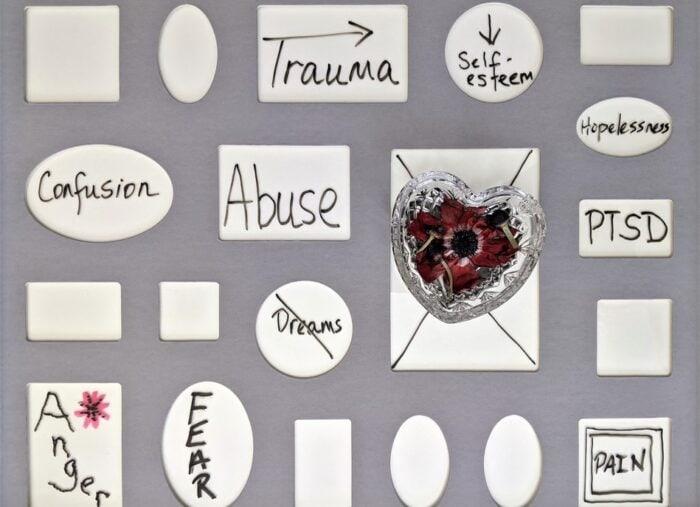 Trauma Is More Common Than You Think
According to national data, approximately 70% of adults in the U.S. have experienced at least one traumatic event. Yet many people tragically minimize their experiences or avoid seeking help, fearing they’ll be seen as weak, dramatic, or beyond help.
Trauma does not follow a universal script; it manifests in diverse ways depending on an individual’s history.
While every story is unique, common origins of traumatic stress often include:
- Childhood relationships with caregivers that are unpredictable and frightening.
- Repeated experiences of neglect or abuse
- Exposure to domestic violence or violence in general
- Being raised by or in a relationship with an active addict or mentally ill person
- Social stressors such as bullying, disability, or discrimination
Regardless of your particular trauma, you didn’t ask or deserve this. We may not be able to fix what happened to us, but we can find ways to move on and create a brighter future. But the brain and body are capable of healing with the right kind of support, like trauma therapy and trauma counseling.
 Trauma Therapy Can Help You Heal
When we experience a traumatic event, memories get stored in the network of our brain that causes emotional and behavioral reactions which cause you to experience a whole range of symptoms- flashbacks, anxiety, decreased concentration, and panic attacks. However, the body has the ability to heal with the right tools.
Because everyone’s experience with trauma is different, our trauma therapists use different approaches based on your needs. We are here to help you resolve your trauma, understand yourself better, and learn new coping skills to regain your life back.
During sessions, we will always listen and provide you with feedback. We focus on providing you with a safe space where you can be yourself and express what you have gone through. Drawing from different trauma treatment modalities, such as Cognitive Behavioral Therapy (CBT) and Mindfulness, we will help you change your thoughts and feelings around your trauma so you can live with a clear mind.
 Therapeutic Modalities for Trauma Therapy
You May Still Have Questions or Concerns About Trauma Therapy…
Do I have to talk about everything that happened in detail?
No. We’ll never push you to recount specific events unless you choose to. Trauma counseling focuses on helping you feel safer in your body and life outside the therapy space. Your trauma counselor will go at your pace.
Isn’t therapy for people who have experienced more trauma than me?
The Trauma Club is one of the least exclusive institutions in the world; sudden and distressing experiences are part and parcel of being human. Therapy helps you move past comparison by exploring how your specific history has shaped your identity. This process builds the awareness and resilience needed to navigate life with greater ease.
How do I know if I need trauma therapy?
If you’re experiencing symptoms like hypervigilance, emotional numbing, anxiety, flashbacks, or nightmares, you may benefit from trauma therapy. You don’t need a formal PTSD diagnosis to seek help. Our trauma counselors are ready to help.
We Will Help You Re-Write Your Story And Move On From Trauma
The past can stay in the past, right where it belongs. It’s time to embrace a new chapter!
Call or text us at: (720) 515-3551
Recent Posts





Jefferson Park Location
This location is currently providing tele-health online and in-person services by request
Address: 2727 Bryant St, Denver, CO 80211
Lowry Location
This location is currently providing only tele-health services online at this time
Address: 7581 E Academy Blvd, Denver, CO 80230 United States